History
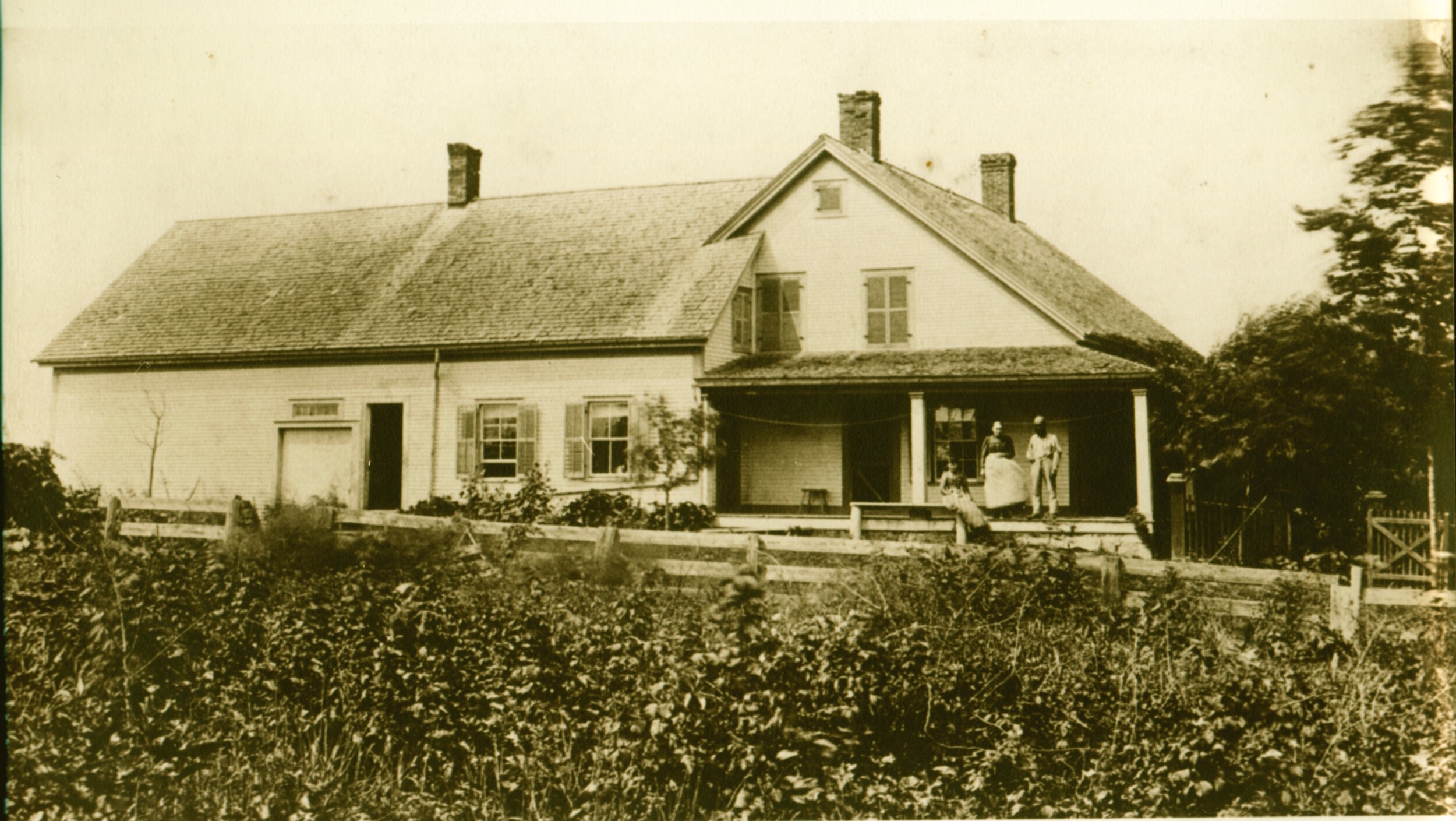
Originally deeded to Joseph Murray, one of the first County selectmen in 1792, the property changed hands, in 1799, to the Able Norton Family (namesake for the village of Nortontown), and then in 1830, to William T. Whitford, for $686, along with 50 acres. His grandfather had moved to the area from Providence, Rhode Island in 1802. The Merino wool industry sparked immense interest in keeping and breeding Merino Sheep and by 1835, the wool industry had reached its climax, with Vermont rivaling the best producers in the world. According to the 1850 census, the Whitfords had 195 sheep.
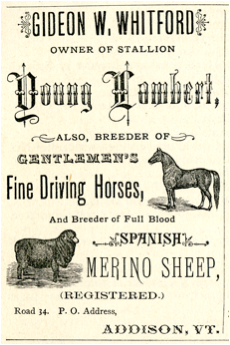
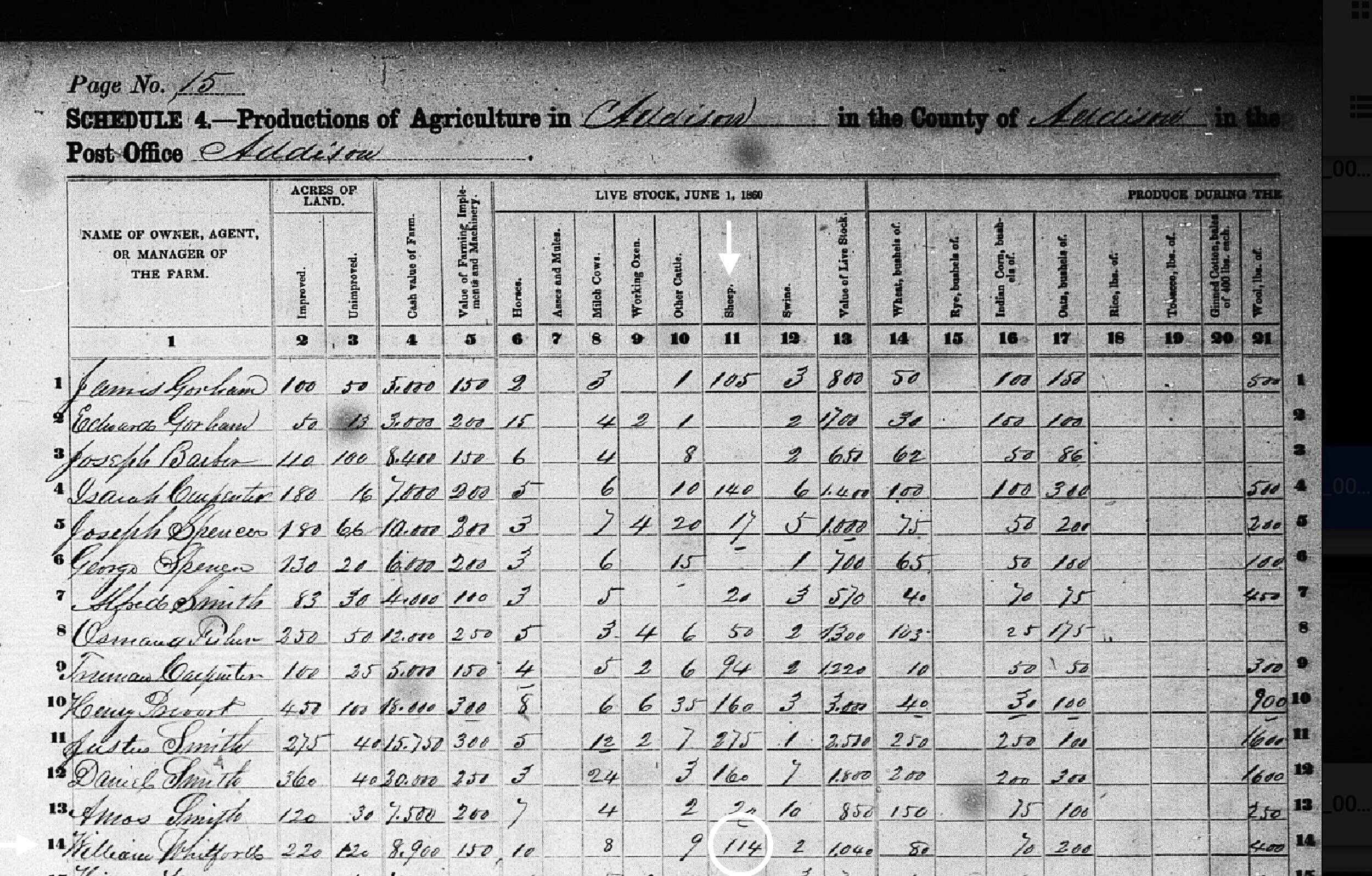
By 1870, the Whitfords had expanded the property to 360 acres, adding predominately cleared land to the pre-existing farmstead. They looked after a small orchard on the south side of the house, remains of which can still be seen today, and they owned one of the longest-lived commercial Merino wool enterprises in the County. They also grew wheat, oats, corn, potatoes and hay, as described in the “Production of Agriculture’s” schedule (below). The family may also have bread “clean-blooded” Lambert (Morgan) horses, for which the billboard alludes (below).

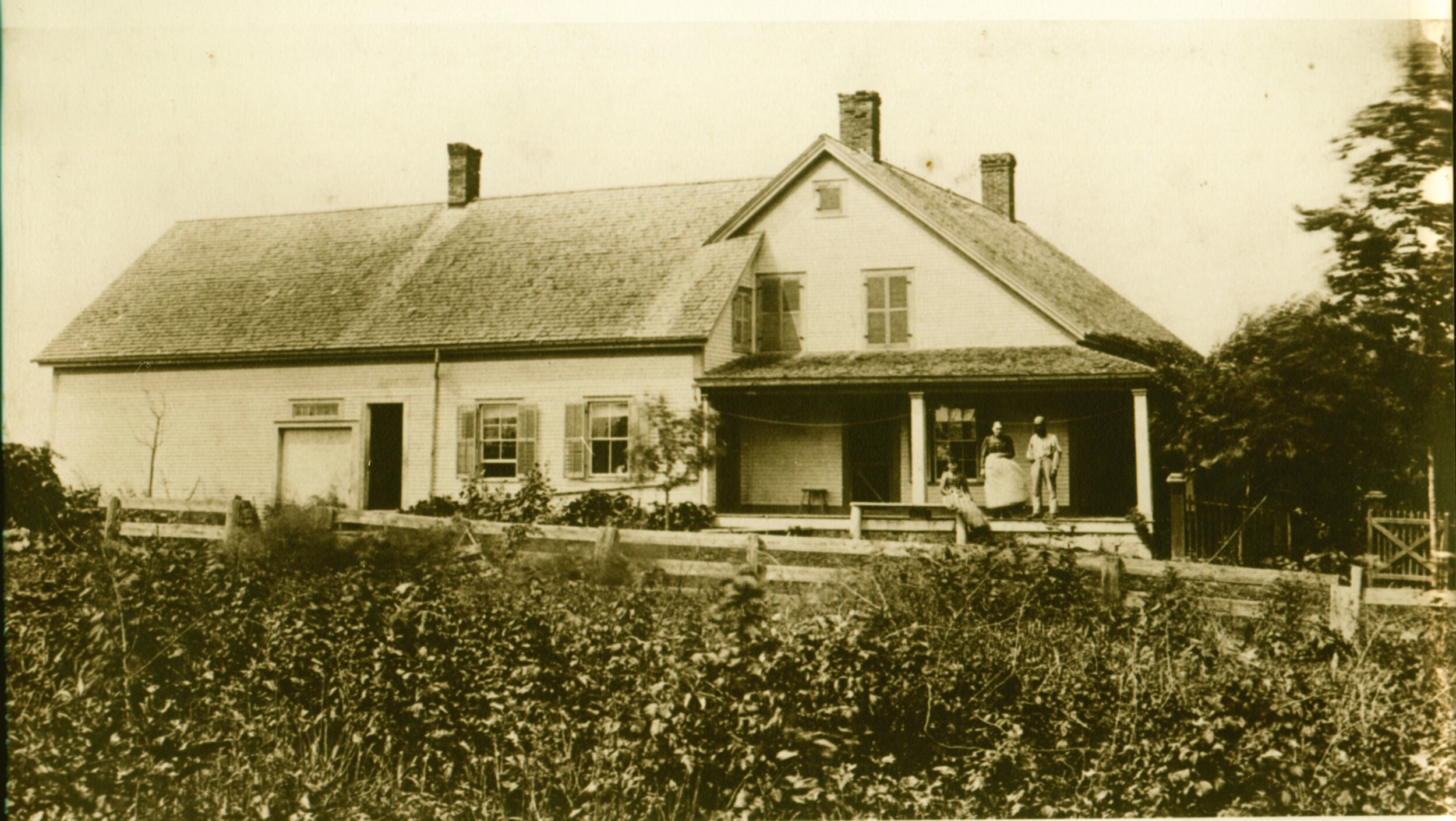
Whitford descendants sold the property to Rupert Grandey in 1938, soon to be abandoned until a young, local couple purchased the dilapidated homestead in 1978 and began a year-and-a half restoration project to save the house from complete collapse. Further renovation and beautification was performed by the following buyers, Bruce and Barbara Carson, who founded “Whitford House Inn”, in the late 1980’s.